Skip to product information
1 of 6

gurujienterprisesk

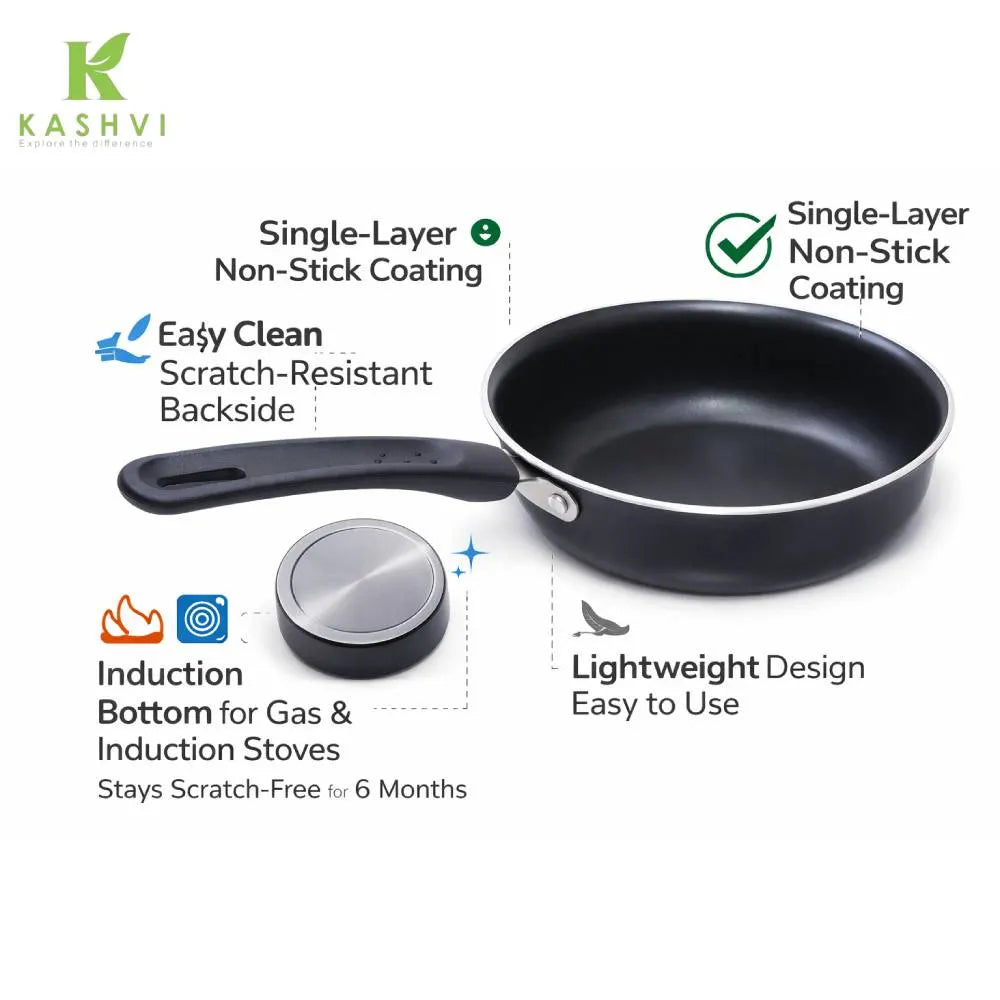
Kashvi Non-Stick Tadka Pan

Kashvi Non-Stick Tadka Pan

Regular price Rs. 399.00
Regular price Rs. 999.00 Sale price Rs. 399.00
Sale Sold out
Shipping calculated at checkout.
Quantity

Ultimate Guide to Cookware: Choosing the Best Cookware for Healthy and Efficient Cooking

Introduction: Why Cookware Matters More Than You Think

Cooking delicious meals is not just about ingredients or recipes. The cookware you use plays an equally important role in determining the taste, nutrition, and efficiency of your cooking. In modern kitchens, selecting the right cookware can improve heat distribution, reduce cooking time, preserve nutrients, and support healthier meal preparation.

Many people underestimate how much cookware quality impacts everyday cooking. Low-quality cookware often leads to uneven heating, burnt food, excessive oil usage, and shorter product life. On the other hand, high-quality cookware provides consistent results, durability, and a more enjoyable cooking experience.

In this comprehensive guide, we will explore everything you need to know about cookware — including different materials, benefits, cooking performance, maintenance tips, and how to choose the right cookware for your kitchen.

Whether you are upgrading your kitchen or starting fresh, this guide will help you make informed decisions for healthier and more efficient cooking.


Understanding Cookware Materials

Cookware is made from various materials, and each material behaves differently when exposed to heat. Choosing the right material ensures better cooking results and longer product life.

Iron Cookware

Iron cookware has been used in traditional kitchens for centuries because of its durability and heat-retention properties.

Benefits of Iron Cookware

• Excellent heat retention
• Natural and chemical-free cooking surface
• Enhances iron intake in food
• Durable and long-lasting
• Ideal for high-temperature cooking

Iron cookware is perfect for dishes like:

  • sabzi

  • curries

  • frying

  • dosa

  • paratha

  • stir fry

Many modern cookware manufacturers combine iron with advanced coatings such as enamel ceramic coating to improve durability and cleaning convenience.


Stainless Steel Cookware

Stainless steel cookware is widely used in both home and professional kitchens.

Advantages

• Non-reactive with acidic foods
• Durable and rust resistant
• Long product lifespan
• Ideal for boiling, sautéing, and simmering

However, stainless steel does not distribute heat evenly without layered bases.


Ceramic Coated Cookware

Ceramic-coated cookware is becoming popular due to its chemical-free cooking surface and modern design.

Benefits

• Smooth cooking surface
• Easy cleaning
• Scratch-resistant surface
• Safe for everyday cooking

Ceramic coatings are commonly applied on metal bases to improve cooking performance.


Hard Anodized Cookware

Hard anodized cookware is treated aluminum cookware with enhanced durability.

Benefits

• Strong and scratch resistant
• Better heat distribution
• Corrosion resistant

However, some users prefer iron cookware for traditional cooking performance.


Why Heat Distribution Is Important in Cookware

Heat distribution determines how evenly food cooks. Poor heat distribution leads to hot spots that burn food while other areas remain undercooked.

High-quality cookware spreads heat evenly across the cooking surface, ensuring balanced cooking results.

Advantages of Even Heat Distribution

• consistent cooking results
• improved food texture
• reduced burning
• better flavor development
• efficient energy use

Cookware with thick bases or iron construction typically performs better in heat distribution.


Heat Retention: The Secret to Flavorful Cooking

Heat retention refers to how well cookware maintains temperature after heating.

Cookware with strong heat retention allows food to cook gradually and evenly.

Benefits

• faster cooking
• less gas consumption
• improved flavor
• stable cooking temperature

Iron cookware is widely known for excellent heat retention.


Types of Cookware Every Kitchen Needs

A well-equipped kitchen should include essential cookware pieces that support different cooking methods.

Tawa (Griddle)

Used for:

  • rotis

  • parathas

  • dosas

  • pancakes

  • chapatis

A thick tawa distributes heat evenly and helps achieve perfect browning.


Fry Pan

Fry pans are versatile cookware pieces used for:

  • omelettes

  • sauté vegetables

  • shallow frying

  • pancakes

  • quick meals

A good fry pan should have a strong base and ergonomic handle.


Kadai

The kadai is one of the most important cookware pieces in Indian kitchens.

Used for:

  • curries

  • sabzi

  • deep frying

  • stir frying

Iron kadais provide excellent cooking performance due to strong heat retention.


Tadka Pan

A tadka pan is used for tempering spices in Indian cooking.

Common uses include:

  • dal tadka

  • sambhar seasoning

  • rasam tempering

  • garlic oil infusion

A compact tadka pan heats quickly and enhances flavor.


Sauce Pan

Sauce pans are ideal for:

  • boiling milk

  • tea preparation

  • soups

  • reheating food

  • sauces


How to Choose the Best Cookware for Your Kitchen

Selecting cookware depends on several important factors.

Cooking Style

Different cuisines require different cookware types.

Indian cooking requires cookware suitable for:

  • high heat cooking

  • frying

  • tempering spices

  • slow cooking


Heat Compatibility

Check whether cookware is compatible with your stove.

Common compatibility types:

• gas stove
• induction cooktop
• electric cooktop


Durability

Long-lasting cookware should resist:

• warping
• scratching
• corrosion


Ease of Cleaning

Choose cookware with smooth surfaces that are easy to clean and maintain.


Health Benefits of Cooking With Iron Cookware

Iron cookware offers natural health benefits.

During cooking, small amounts of iron may mix with food, helping increase dietary iron intake.

This can help reduce risks of:

  • iron deficiency

  • fatigue

  • anemia

Many households prefer iron cookware for its health advantages and traditional cooking performance.


Energy Efficiency in Modern Cookware

Energy-efficient cookware helps reduce cooking time and fuel consumption.

Cookware designed for efficient heating provides:

• faster meal preparation
• lower gas usage
• reduced energy costs
• sustainable cooking practices


Cookware Maintenance Tips

Proper maintenance increases cookware lifespan.

Cleaning Tips

• allow cookware to cool before washing
• wash with mild detergent
• avoid steel scrubbers on coated surfaces
• dry immediately after washing


Storage Tips

• avoid stacking without protection
• use pan separators or cloth
• store in dry cabinets


Common Cookware Mistakes to Avoid

Many people unintentionally damage cookware by using incorrect cooking practices.

Avoid these mistakes:

• overheating empty cookware
• using sharp metal utensils
• cleaning hot cookware with cold water
• using harsh chemicals

Proper care ensures cookware performs well for years.


Modern Cookware Design Trends

Today’s cookware combines traditional cooking benefits with modern aesthetics.

Common design improvements include:

• ergonomic handles
• lightweight construction
• stylish finishes
• durable coatings
• induction compatibility

Modern cookware is designed to be both functional and visually appealing.


Why Quality Cookware Is a Smart Investment

High-quality cookware may cost more initially but offers long-term benefits.

Advantages

• longer lifespan
• consistent cooking results
• reduced replacement cost
• better cooking efficiency

Investing in premium cookware improves the overall kitchen experience.


Cookware for Different Cooking Methods

Different cooking techniques require specialized cookware.

Frying

Requires thick-bottom fry pans or kadais.

Grilling

Requires flat tawas or griddles.

Boiling

Requires saucepans or pots.

Tempering

Requires small tadka pans.


Future of Cookware Technology

The cookware industry continues evolving with better materials and smarter designs.

Future innovations include:

• eco-friendly coatings
• improved heat efficiency
• multi-layer construction
• smart cookware technology

These advancements aim to make cooking safer and more efficient.


Frequently Asked Questions

What cookware is best for everyday cooking?

Iron cookware and ceramic-coated cookware are excellent for everyday cooking due to durability and even heat distribution.


Why is heat distribution important in cookware?

Even heat distribution ensures food cooks uniformly, preventing burning and undercooking.


Does iron cookware improve health?

Iron cookware may increase natural iron intake during cooking, supporting healthy nutrition.


How can I make cookware last longer?

Proper cleaning, avoiding metal utensils, and storing cookware carefully help increase its lifespan.


What cookware should every kitchen have?

Every kitchen should include:

• tawa
• fry pan
• kadai
• tadka pan
• sauce pan

View full details